Your business runs on WhatsApp. Your customer data does not.
Every booking, every complaint, every "can I reschedule" lives in a chat thread on one phone. No record. No search. No backup if that phone gets a new owner.
A WhatsApp CRM is the fix. But most buying guides written for a Malaysian business jump straight to a feature list without covering what actually matters here: local data law, realistic local pricing structure, and whether your specific business needs this tool at all right now.
This guide covers that. For a tool-by-tool comparison with exact 2026 pricing, see our WhatsApp CRM comparison for Malaysia.

What Is a WhatsApp CRM?
A WhatsApp CRM is software that converts WhatsApp conversations into a structured, searchable customer record shared across a team, instead of leaving them scattered on one phone. Malaysia had 35.4 million internet users, with online penetration at 98.0 percent of the population by late 2025 (DataReportal, Digital 2026: Malaysia), and WhatsApp carries most of that day-to-day business contact.
The free WhatsApp Business app works fine for one person answering messages on one phone. It breaks the moment a second staff member needs to see the same conversation, or a customer who messaged in March comes back in September and nobody remembers the context.
A WhatsApp CRM connects to WhatsApp through the official Business Platform (the API, not the consumer app) and logs every inbound message against a contact record automatically. That record stays searchable, taggable, and visible to anyone on the team with access, even after the staff member who handled the original chat has moved on.
Why Does This Matter More for a Malaysian Business Specifically?
Malaysian businesses lean on WhatsApp as the primary contact channel far more than email or phone, so losing that conversation history when staff turn over is a bigger operational risk here than in markets where CRM data comes mainly from web forms. A WhatsApp CRM closes that gap by capturing the conversation at the point it happens.
Three things are specific to the Malaysian market:
- WhatsApp is the default, not an alternative. A clinic, salon, or tuition centre in Malaysia gets booking requests, reschedules, and complaints almost entirely through WhatsApp. A Western-style CRM built around email forms misses the actual customer contact point.
- Conversations mix languages. A single thread might move between Bahasa Malaysia, English, and Mandarin in three messages. A CRM that tags and searches contacts needs to handle that without forcing a single-language workflow.
- Most local operators are solo or two-person teams. A single-practitioner clinic or a two-chair salon does not need agent routing or team performance dashboards. It needs one clean, reliable contact record.

What Features Should a Malaysian WhatsApp CRM Have?
A WhatsApp CRM built for a Malaysian business should offer automatic contact capture, tagging for follow-ups, official WhatsApp Business API access, predictable MYR billing, and a data-handling practice consistent with the Personal Data Protection Act 2010. Tools missing official API access risk the business's WhatsApp number being suspended for bulk messaging.
Use this as a checklist before you look at any specific platform:
| Feature | Why it matters for a Malaysian business |
|---|---|
| Official WhatsApp Business API connection | Unofficial bulk-messaging methods risk the number being banned, which cuts off your main contact channel overnight |
| Automatic contact capture | No manual data entry when a solo operator has no admin staff to do it |
| Tagging and segmentation | Lets you find "no visit in 60 days" or "asked about price, did not book" without re-reading chat history |
| Predictable MYR billing | Avoids currency exposure from USD-billed platforms as the Ringgit moves |
| Clear data-handling practice | Needed to meet obligations under Malaysia's Personal Data Protection Act 2010, covered below |
Most platforms get contact capture and tagging right. Billing currency and data-handling practice are where they diverge, and where it pays to ask directly before signing up.
Is Storing Customer Chats in a WhatsApp CRM Legal Under Malaysia's PDPA?
Yes, provided the business meets its obligations under the Personal Data Protection Act 2010 (Act 709), administered by Malaysia's Department of Personal Data Protection. Following the Personal Data Protection (Amendment) Act 2024, which received royal assent on 9 October 2024, mandatory data breach notification to the regulator took effect on 1 June 2025 (Baker McKenzie, 2024).
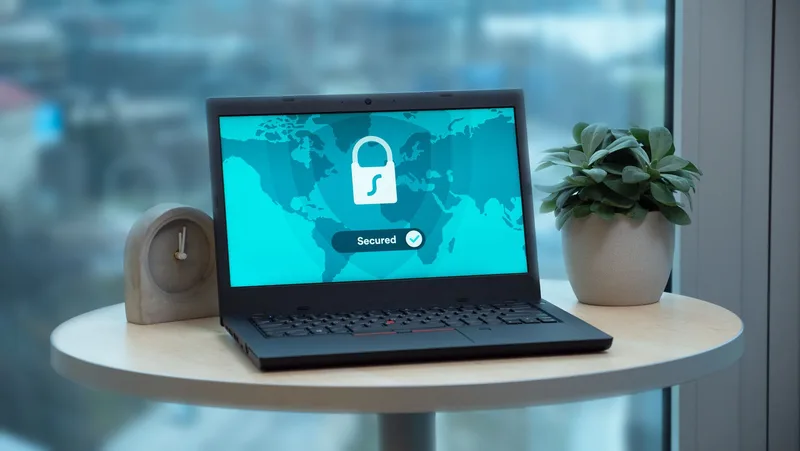
Storing a customer's name, phone number, and conversation history in a WhatsApp CRM counts as processing personal data under the PDPA. That is not a reason to avoid using one. It is a reason to check how your chosen platform handles that data.
Two practical questions to ask any vendor before signing up:
- Where is the data stored, and who can access it? The PDPA requires reasonable security steps to prevent unauthorised access or loss.
- What happens if there's a breach? Since June 2025, a data controller that suffers a personal data breach meeting the notification threshold must report it to the Commissioner. Your WhatsApp CRM vendor should be able to tell you plainly how they would support that obligation, not dodge the question.
A vendor that cannot answer either question clearly is a bigger compliance risk than the WhatsApp CRM category itself.
How Much Does a WhatsApp CRM Cost in Malaysia?
WhatsApp CRM pricing in Malaysia typically ranges from a few hundred Ringgit a month for a small team up to over a thousand Ringgit for mid-tier plans with more seats, on top of which some platforms add per-user fees once you exceed an included headcount. See our detailed WhatsApp CRM comparison for exact current pricing by platform.
Three cost layers show up across almost every platform:
- The base subscription. This is the advertised monthly or annual fee, and it is the easiest number to compare on a pricing page.
- Per-user fees above a threshold. Many omnichannel platforms include a set number of seats, then charge per additional user. A growing team's bill climbs with headcount even if the plan "price" looks fixed.
- Currency exposure. Some platforms bill in USD. A MYR-only business absorbs exchange-rate movement on top of the subscription itself, which a Ringgit-billed platform avoids entirely.
The platform fee is rarely the full cost. Budget for the per-user tier you'll actually grow into, not the entry tier shown on the pricing page.
Juggling WhatsApp replies between customers at the counter and messages that pile up after hours? See how AlwaysON turns every WhatsApp conversation into a searchable customer record automatically, with AI handling and booking built in. See how it works →. Takes 5 minutes. No credit card required.
Which Malaysian Businesses Actually Need a WhatsApp CRM?
A Malaysian business needs a WhatsApp CRM once a single phone can no longer hold its customer history reliably, typically when more than one person answers messages, when staff turnover has already caused lost customer context, or when follow-up timing (booking reminders, re-engagement) starts affecting revenue.
A one-person side business answering a handful of messages a day can get by on the free app a while longer. The need becomes real at a specific point: when a second person starts replying, when a staff resignation wipes out months of customer context, or when the owner realises they have no way to see which customers haven't come back.
Clinics, salons, tuition centres, and other appointment-driven local services hit this point fastest, because almost every customer interaction is booking-related and happens on WhatsApp. A retail brand running the same campaign across Instagram, Facebook, and WhatsApp at once has a different problem: it needs channel breadth more than it needs a WhatsApp-specific record.
What Mistakes Do Malaysian Businesses Make When Choosing One?
The most common mistakes are routing bulk messages through an unofficial WhatsApp integration (risking a number ban), paying for an omnichannel platform's full seat count when only WhatsApp is used, and treating consent language in marketing messages as an afterthought rather than a PDPA requirement.
To be fair, not every mistake is obvious upfront. Here's where businesses commonly go wrong:
- Using an unofficial bulk-sending tool. It's cheaper at first. Then WhatsApp flags the number for policy violations and the business loses its main contact channel with customers mid-way through a campaign.
- Buying more platform than the team uses. Paying for 10-channel routing and agent performance dashboards when every customer contact happens on WhatsApp wastes a recurring monthly cost on capability nobody opens.
- Skipping consent language. Sending marketing broadcasts without a clear opt-in trail is both a WhatsApp policy risk and a PDPA exposure, not just a deliverability problem.
Which WhatsApp CRM Should You Choose in Malaysia?
Match the platform to how your business actually contacts customers: a solo-operator or two-person local service business gets more value from a purpose-built, flat-fee WhatsApp CRM, while a team of five or more handling multiple channels justifies the per-user cost of a broader omnichannel platform.
There is no single "best" answer independent of who is running the business. The right question is narrower: how many people touch customer conversations, and on how many channels.
For a full side-by-side of named platforms with current MYR pricing, read our WhatsApp CRM comparison.
→ See how AlwaysON works for Malaysian local businesses
Flat MYR pricing. No per-user fees. AI-handled WhatsApp, booking, and a website in one place.
Frequently Asked Questions
Is a WhatsApp CRM legal to use in Malaysia?
Yes. Storing customer chat data in a WhatsApp CRM is lawful under Malaysia's Personal Data Protection Act 2010 (Act 709) as long as the business and its vendor meet their data-handling obligations, including the mandatory breach notification requirement that took effect on 1 June 2025.
Does a WhatsApp CRM replace the free WhatsApp Business app?
A WhatsApp CRM connects through the official WhatsApp Business API rather than the free consumer app, which enables multiple team members, automated contact records, and reporting. The free app stores chats on a single device with no automation and no CRM functionality at all.
How much does a WhatsApp CRM cost per month in Malaysia?
Costs typically run from a few hundred Ringgit a month for a small team to over a thousand Ringgit for mid-tier plans with more seats, with some platforms adding per-user fees above an included headcount. Currency-exposed USD billing can add further cost swings for a MYR-only business.
Can a one-person business use a WhatsApp CRM?
Yes, and a solo operator often benefits the most, since losing a customer's history has no backup when only one person handles messages. A flat-fee, no-per-user platform avoids paying for team features a one-person operation will never use.